

Shaneen Shirley Finds Beauty in Her Natural Hair
- Shannay Porter
- Apr 15, 2024
- 3 min read

Updated: Mar 12, 2025
By Shannay Porter
Shaneen Shirley is learning how to love and take care of her hair after years of being told that it is unkempt.
“Honestly, growing up I always wanted my hair to look like others around me, who have processed their hair because it looked so nice and neat, and it was easier to handle. They could easily catch it up, and put it in different styles while my hair was taking a longer time to comb…It was tempting. It was easier to handle, everyone was doing it, so why not fit in with the crowd,” Shirley stated.
Although Jamaica’s population is primarily of African descent, Jamaican people continue to face discrimination directly linked to our history of slavery and colonialism. During both eras, Black Jamaicans were taught to hate themselves and embrace European standards of beauty. In modern Jamaican society, remnants of this self-hate are still present as individuals with kinkier hair textures are treated less than those without.
Shirley reflected on her experience wearing her natural hair to school stating, “When it's not up to par or well groomed, they’ll say like its dry, it needs moisture...it’s picky."
She continued to explain that certain hairstyles were not socially accepted because of her type 4 hair. Shirley attended the all-girls high school, Hampton School and she witnessed other students be able to wear their hair in styles that she couldn't because they had looser curls or 'pretty hair.' These encounters hurt her as she began to feel less confident in her natural hair and did not want to wear it out."I always found processed hair to be nicer, easier to handle….my hair was just thick, a lot to handle, and every minute I had to be doing something to it," she expressed.
As a high school student, Shirley observed that the standard for hair in Jamaica was processed hair and she felt pressured to comply. In the process of doing so, she began to straighten her hair with a flat-iron which led to it becoming severely damaged. The damage had to be cut off and Shirley had learned a significant lesson. She added,"[It] made me realize that it wasn’t all that worth it, I just had to learn to take care of my own natural hair in its original texture."
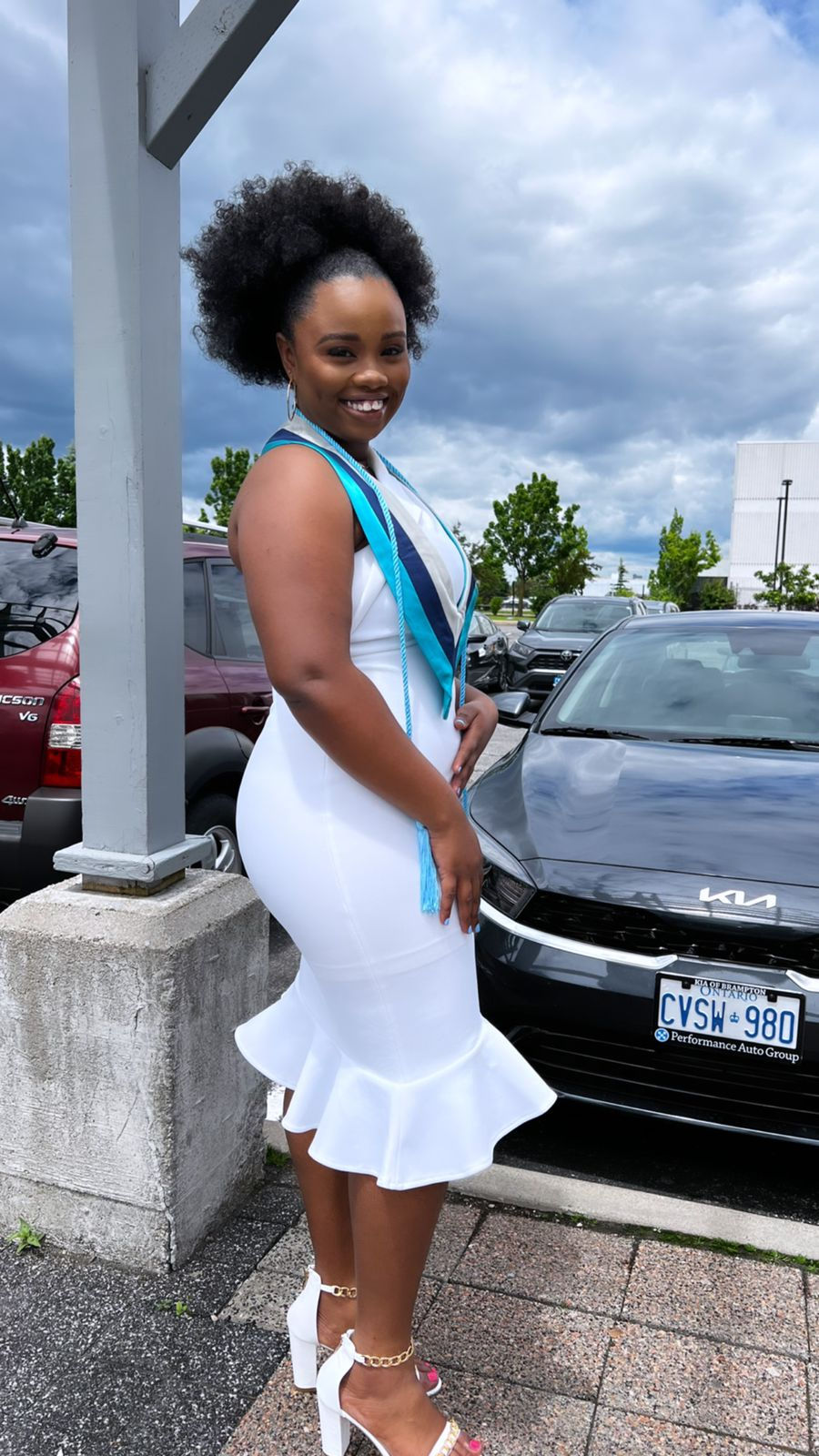
By Shaneen Shirley
Shaneen Shirley
A major factor in learning how to love her natural hair was unlearning the biases she was taught. “I always thought that processed hair was easier to manage, and you don’t have to give it so much attention or care, but that’s a lie. It takes more work to take care of processed hair than your natural hair, and I was definitely biased to that. And not a lot of persons say that like this is the main thing, 'Oh it's easier, it's better.' But it's definitely not. It takes more work, especially having to go to the salon...You have to go like every 3 weeks…and that’s costly,” she explained.
Like Shirley, many Jamaican women and girls adopted similar biases. This led them to chemically straighten their hair out of insecurity without considering the health risks associated with relaxers. The American Cancer Society published a study in October 2022 that found that women who used relaxers were 2 1/2 times more likely to suffer from uterine cancer.
Currently, using relaxers in Jamaica remains almost a rite of passage. "I feel like, also, the pressure is there as well when it comes to our parents or adults because they’re passing down these expectations on having your hair processed, especially if their hair is processed they’re like, ‘Okay, get it done as well because it's easier, it's better, it looks better,’" she stated.
Shirley concluded that it is this pressure that has led to the current lack of appreciation for all types of Black hair in Jamaica. "If you look at majority of Jamaica’s population, if we’re not trying to straighten our hair, or chemically process it, we are trying to wear wigs. We’re not trying to wear our natural hair…Even in the wearing of wigs, nobody nah try fi wear natural or textured wigs, they're trying to wear wigs that are straight," she added.
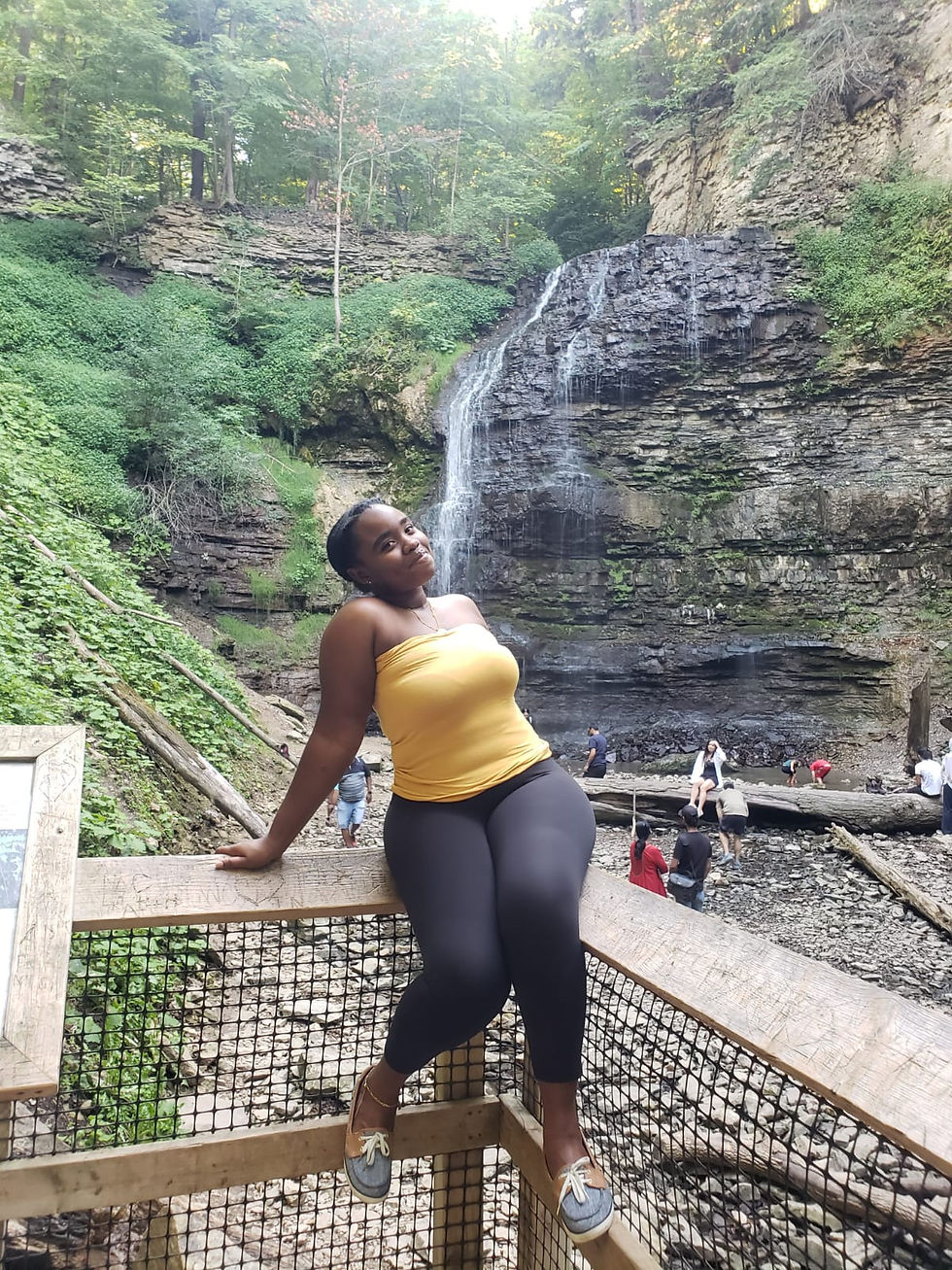
By Shaneen Shirley
Shaneen Shirley
The 21-year-old also expressed, "[Now] I don’t like straightening my hair and I'm not interested in processing my hair. I've found styles that work for me and my hair confidence. Honestly, I really love my natural hair now, especially after discovering styles that work for me, and after learning how to take care of it, it was easier. And it has improved my self-worth because I find myself unique with my natural hair. I'm not a part of the whole processed hair group and I'm okay with that."

Comments